
Red Light Therapy Mask: Complete Skincare Guides for Radiant, Youthful Skin
The Ultimate Guide to Red Light Therapy Masks: Benefits, Usage & Selection
Red light therapy masks utilize specific non-invasive optical wavelengths (typically 620–850 nm) to stimulate cellular mitochondria, boost collagen production, and reduce inflammation. This guide covers how they work, mask types, step-by-step usage tips, and clinical safety considerations for achieving radiant skin.
Table of Contents
- 1. What Is a Red Light Therapy Mask & How Does It Work?
- 2. Types of Red Light Therapy Masks Available
- 3. Step-by-Step Guide to Using Your Mask
- 4. Recommended Usage Frequency by Skin Goals
- 5. Scientific Benefits of Red Light Therapy
- 6. Best Practices for Maximizing Results
- 7. Safety Considerations & Precautions
- 8. Choosing the Right Red Light Therapy Mask for You
- 9. Sourcing Resources & External References
1. What Is a Red Light Therapy Mask & How Does It Work?
A red light therapy mask is an advanced wearable skincare device embedded with medical-grade LEDs that emit precise wavelengths of red light (620–700 nm) and near-infrared light (around 830 nm)[1]. These wavelengths penetrate dermal tissue safely without UV exposure, directly targeting the mitochondria—the cellular powerhouses. This optical activation stimulates Adenosine Triphosphate (ATP) production, boosts collagen and elastin synthesis, enhances microcirculation, and accelerates tissue repair.
Key physiological benefits include:
- Reduction of fine lines and deep expression wrinkles
- Improved dermal texture and overall skin tone uniformity
- Enhanced skin radiance, luminosity, and clarity
- Calming of chronic redness, irritation, and inflammation
- Accelerated healing for acne blemishes and post-blemish scars
2. Types of Red Light Therapy Masks Available
Choosing the appropriate device depends on your individual skincare objectives and lifestyle preferences:
- Full-Face Masks: Designed to cover the entire facial contour for comprehensive anti-aging and rejuvenating treatments, frequently combining red and near-infrared wavelengths.
- Targeted Area Devices: Specialized patches or smaller ergonomic units engineered for localized concerns, such as under-eye circles or perioral lines.
- Multi-Wavelength Advanced Masks: Sophisticated systems that integrate multiple spectrums—such as red for anti-aging, blue for acne suppression, and yellow for sensitive skin soothing.
3. Step-by-Step Guide to Using Your Mask
Maximize your treatment efficacy by adhering to this structured protocol:
- Select Your Device: Match your primary skin goal (anti-aging, blemish management, or soothing) with the correct wavelength settings.
- Cleanse Thoroughly: Wash your face with a gentle, non-stripping cleanser to remove all traces of makeup, sebum, and pollutants, ensuring optimal optical penetration.
- Apply Serums (Optional): Apply compatible lightweight hydrating serums if desired, noting that light therapy can enhance topical absorption.
- Secure Comfortably: Position the mask snugly against your facial contours using adjustable straps for uniform photon exposure.
- Relax During Session: Allow the device to run for its programmed 10–20 minute cycle while resting or meditating.
- Post-Treatment Care: Finish by applying your favorite nourishing moisturizer or barrier-repair cream to lock in hydration.
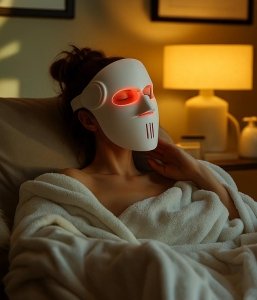
Relaxing during a standard red light therapy skincare session
4. Recommended Usage Frequency by Skin Goals
Optimal usage frequency varies depending on your specific target areas and clinical requirements:
| Skin Treatment Goal | Recommended Frequency |
|---|---|
| Anti-Aging & Wrinkle Reduction | 2–3 times per week |
| Acne Treatment & Blemish Control | 4–5 times per week (initially daily) |
| Skin Brightening & Tone Balancing | 2–3 times per week |
| Skin Repair & Scar Healing | Daily for 2–3 weeks, then transition to maintenance |
Sensitive skin types should initiate use at 1–2 sessions weekly to test cutaneous tolerance. Avoid overuse to prevent thermal-free fatigue, dryness, or irritation[2].
5. Scientific Benefits & Real User Experiences
Dermatological research highlights several key cellular advantages supported by regular phototherapy:
- Collagen & Elastin Synthesis: Stimulates fibroblast activity to firm lax tissue and smooth expression lines.
- Enhanced Microcirculation: Improves oxygen and nutrient delivery across cutaneous capillary beds.
- Inflammation Reduction: Calms reactive conditions such as rosacea and accelerates post-procedure recovery.
- Bacterial Mitigation: Blue and red combination modes help neutralize acne-causing microbes.
“After a few months of consistent use, my skin feels firmer and looks more vibrant. It’s like a second skin renewal.”
— Sarah’s Transformation Story
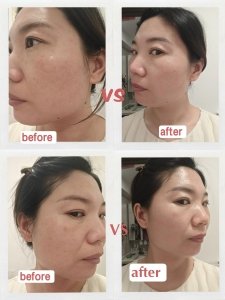
Skin Texturing & Clarity Analysis
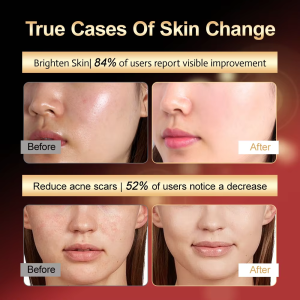
Multi-Wavelength LED Matrix Detail
6. Best Practices for Maximizing Results
To extract maximum value from your investment, keep these professional tips in mind:
- Maintain Consistency: Stick strictly to your schedule; noticeable structural improvements typically manifest after 4 to 8 weeks of regular use[3].
- Proper Device Maintenance: Wipe down your mask with a water-based, non-alcohol disinfectant after every session and store it in a cool, dry environment.
- Barrier Hydration: Always replenish moisture post-treatment to support optimal barrier recovery.
7. Safety Considerations & Precautions
While at-home red light therapy masks are safe for general use, certain precautions should be observed:
- Consult a board-certified dermatologist if you have diagnosed photosensitive medical conditions or use photosensitizing medications.
- Avoid use during pregnancy or breastfeeding unless explicitly approved by your physician.
- Discontinue use immediately if persistent irritation or discomfort occurs.
8. Choosing the Right Red Light Therapy Mask for You
When selecting a professional-grade device, evaluate these key specifications:
- Wavelength Accuracy: Ensure the unit emits proven spectrums (630–660 nm red and ~830 nm near-infrared).
- Ergonomic Comfort: Lightweight, flexible contours ensure even facial coverage and user compliance.
- Certification & Compliance: Look for FDA clearances, CE marks, and ISO 13485 manufacturing standards.
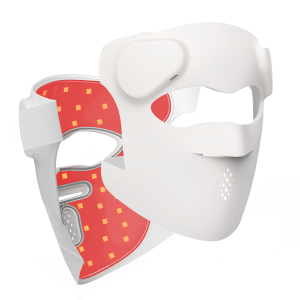
Series Categorization

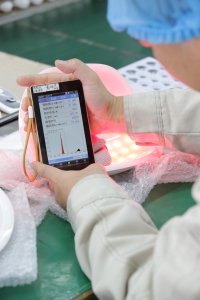
Ergonomic Fit & Testing
Cordless Portability
Looking to Source Red Light Therapy Devices?
Whether you need OEM/ODM manufacturing, wholesale pricing, or private label solutions, Rainbow (R&S) delivers FDA-cleared, CE & ISO 13485 certified devices from our Shenzhen facility.
9. Sourcing Resources & External References
Verified Supplier Profile:
Shenzhen Rainbow Technology Co., Ltd. Verified Factory Profile & Audit Report
[1] NCBI Photomedicine & Laser Surgery.
A Controlled Trial to Determine Efficacy of Red and Near-Infrared Light Treatment in Skin Rejuvenation and Collagen Density (2014).
[2] Cleveland Clinic Health Essentials.
Red Light Therapy: Benefits, Safety Guidelines, and How Often to Use At-Home Devices.
[3] Journal of Biophotonics.
Low-Level Light Therapy Dosage Optimization, Treatment Intervals, and Tissue Remodeling Protocols (2013).

