
Benefits of Red Light Therapy for Skin: Unlocking Radiant, Youthful Complexion
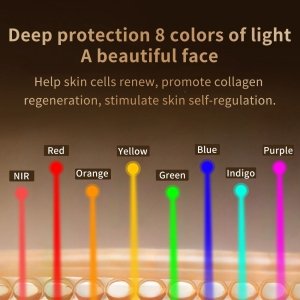
Red light therapy (RLT) uses non-invasive Red (630–660 nm) and Near-Infrared (810–850 nm) light wavelengths to stimulate mitochondrial ATP production, accelerate collagen and elastin synthesis, reduce cutaneous inflammation, and speed up tissue repair. Backed by clinical research, RLT offers a safe, natural alternative for fading wrinkles, hyperpigmentation, and scars.
Table of Contents
- 1. What is Red Light Therapy?
- 2. Top Science-Backed Benefits of Red Light Therapy for Skin
- 3. How to Incorporate Red Light Therapy Into Your Routine
- 4. Why Choose Red Light Therapy Over Aggressive Treatments?
- 5. Frequently Asked Questions (FAQs)
- 6. Sourcing Resources & External References
1. What is Red Light Therapy?
Red light therapy (RLT), also referred to as low-level light therapy (LLLT) or photobiomodulation (PBM), involves exposing the skin to specific, clinically proven wavelengths of red (typically 630–660 nm) and near-infrared light (810–850 nm).
These narrow-band light rays penetrate deep into the dermal layers without causing thermal damage or surface irritation. By energizing Cytochrome c Oxidase within the cellular mitochondria, RLT significantly increases Adenosine Triphosphate (ATP) production, promoting natural cellular healing, regeneration, and skin rejuvenation from the inside out[1].
2. Top Science-Backed Benefits of Red Light Therapy for Skin
1. Boosts Collagen and Elastin Production
Collagen and elastin are fundamental structural proteins that maintain skin firmness, elasticity, and volume. As natural collagen synthesis slows down with age, fine lines and sagging occur. Red light therapy stimulates dermal fibroblast activity, leading to increased collagen density and smoother, plumper skin texture[1].
2. Reduces Inflammation and Calms Skin
Chronic inflammation exacerbates common dermatological conditions such as acne vulgaris, rosacea, and eczema. RLT helps suppress pro-inflammatory cytokines, calming irritated tissue and accelerating the resolution of acne lesions without causing excessive dryness[2].
3. Accelerates Wound Healing and Scar Reduction
By enhancing local microcirculation and cellular turnover, red light therapy speeds up micro-wound recovery, post-procedure healing, and acne scar remodeling. Enhanced tissue regeneration helps fade stubborn marks and smooth uneven skin texture over time[3].
4. Improves Skin Tone and Fades Hyperpigmentation
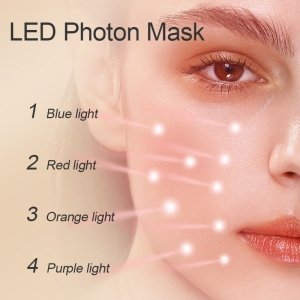
Sun damage and dark spots often lead to an uneven complexion. Red light therapy aids in regulating melanin distribution and repairing damaged epidermal cells, safely reducing sun spots and hyperpigmentation without harsh chemical peels or invasive laser treatments.
5. Enhances Overall Cellular Radiance
By boosting overall cellular respiration and defense mechanisms, regular phototherapy treatments strengthen the skin barrier against environmental oxidative stressors, maintaining long-term skin health.
3. How to Incorporate Red Light Therapy Into Your Routine
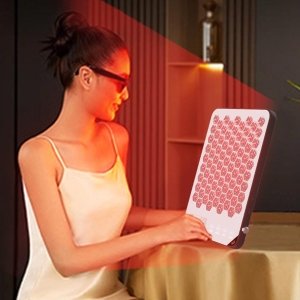
- Consistency is Key: For optimum clinical results, conduct 2 to 4 sessions per week, with each session lasting between 8 and 15 minutes.
- At-Home LED Devices: Flexible 3D silicone masks and handheld panels provide convenient options for maintaining daily treatments.
- Professional Clinical Treatments: Medical spas and dermatology clinics combine high-irradiance RLT panels with specialized serums for enhanced absorption.
4. Why Choose Red Light Therapy Over Aggressive Treatments?
Red light therapy is 100% non-invasive, painless, UV-free, and suitable for all Fitzpatrick skin types. Unlike aggressive chemical peels, ablation lasers, or microneedling that require recovery downtime, photobiomodulation works naturally with your body’s biological cellular mechanisms. When produced by ISO 13485® certified manufacturers with FDA clearance, light therapy devices offer a safe long-term skincare investment[4].
5. Frequently Asked Questions (FAQs)
A1: Most users report improved skin radiance and reduced redness within 2 to 4 weeks of consistent use. Significant anti-aging, wrinkle reduction, and collagen rebuilding typically manifest after 8 to 12 weeks.
A2: No. Red light therapy uses specific visible red and near-infrared wavelengths that do not contain harmful ultraviolet (UV) rays, making it completely thermal-safe and non-burning.
Looking to Source Red Light Therapy Devices?
Whether you need OEM/ODM manufacturing, wholesale pricing, or private label solutions, Rainbow (R&S) delivers FDA-cleared, CE & ISO 13485 certified devices from our Shenzhen facility.
6. Sourcing Resources & External References
Verified Supplier Profile:
Shenzhen Rainbow Technology Co., Ltd. Verified Factory Profile & Audit Report
[1] NCBI Photomedicine & Laser Surgery.
A Controlled Trial to Determine the Efficacy of Red and Near-Infrared Light Treatment in Patient Satisfaction, Reduction of Fine Lines, and Collagen Density (2014).
[2] PubMed Health & Clinical Dermatology.
Mechanisms and Applications of the Anti-Inflammatory Effects of Photobiomodulation in Dermatological Conditions (2017).
[3] Journal of Biophotonics.
Low-Level Light Therapy for Skin Rejuvenation, Wound Healing, and Scar Reduction (2013).
[4] U.S. Food and Drug Administration (FDA).
Regulatory Guidance and Premarket Notification 510(k) Requirements for Over-the-Counter Light Based Facial Devices.

