
How Long to See Results with a Red Light Therapy Mask?
Most users notice a subtle glow within ~2 weeks. Structural changes — reduced fine lines, more even tone — typically appear between 6 and 12 weeks of consistent use with a well-engineered device. The exact timeline depends on four things: irradiance (specs, not marketing claims), your skin type, session consistency, and whether the light actually reaches bare skin. This guide gives you the realistic expectations and the engineering checklist to speed things up.
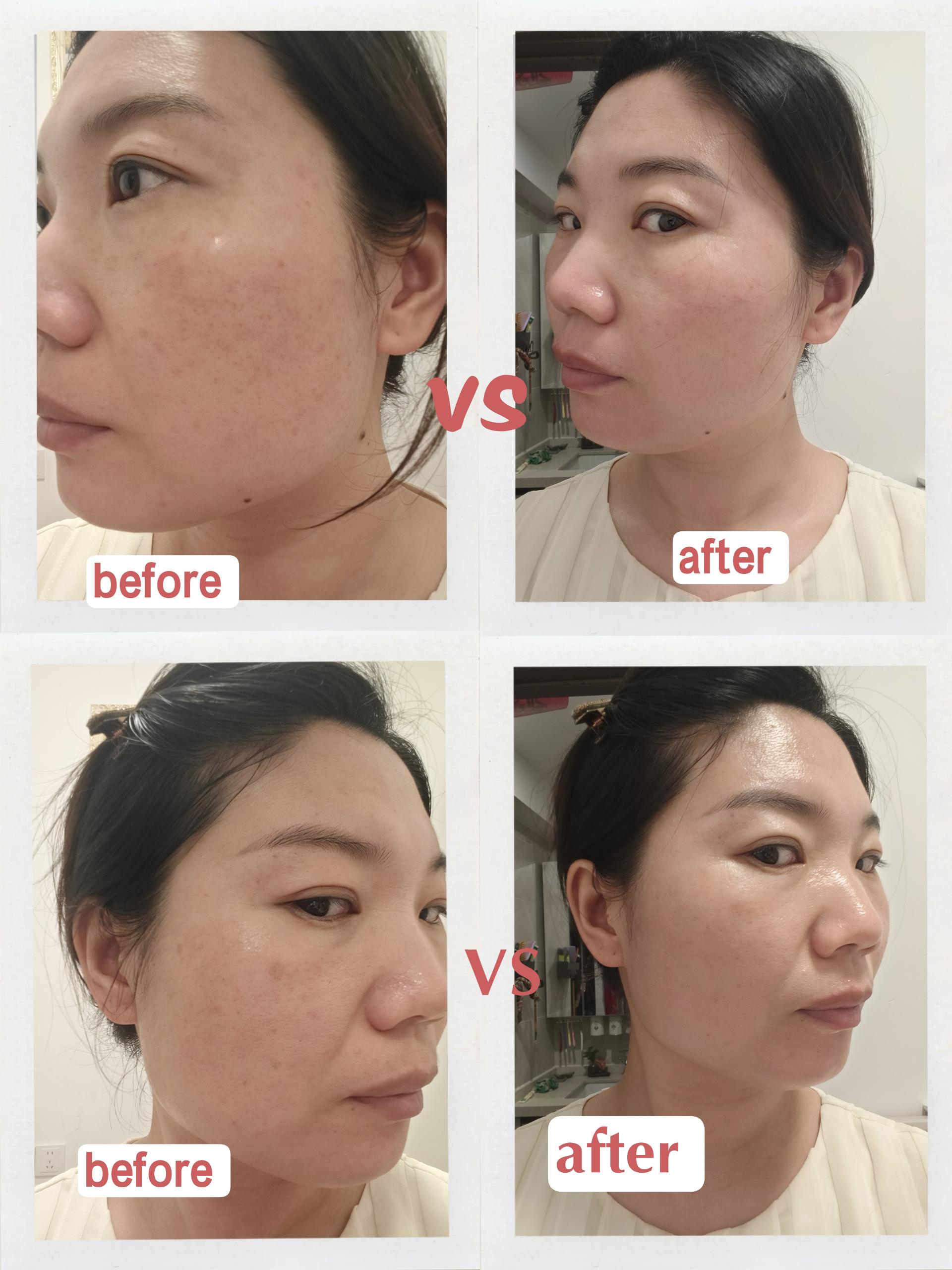
Table of Contents
- 1. The Realistic Results Timeline
- 2. The Science: Why It Takes Time
- 3. 4 Factors That Influence Your Speed of Results
- 4. Pro Tips to Maximize Your Glow
- 5. Frequently Asked Questions
- 6. Partner With Rainbow Technology
- 7. References
1. The Realistic Results Timeline
Red light therapy works by “recharging” your cells, which then rebuild tissue over time. Here’s what to expect when using a quality device with verified specs:
| Phase | Duration | What You’ll See | What’s Happening Inside |
|---|---|---|---|
| Initial | 1–2 weeks | Brighter complexion, reduced puffiness | Increased blood flow & cellular ATP boost |
| Consolidation | 3–6 weeks | Faded acne marks, more even tone | Collagen synthesis begins to ramp up |
| Transformation | 8–12 weeks | Noticeable reduction in fine lines & wrinkles | Deep dermal restructuring and repair |
| Maintenance | 12+ weeks | Sustained elasticity and “youthful” bounce | Long-term prevention of collagen loss |
Key study: A 136-user RCT on red/near-infrared light for facial rejuvenation found measurable improvements in collagen density and wrinkle scores after 10–12 weeks of twice-weekly sessions[1]. The timeline isn’t marketing fluff — it’s how long real tissue remodeling takes.
2. The Science: Why It Takes Time
Red light therapy — specifically wavelengths between 630 and 660 nm — works through photobiomodulation. Light penetrates the dermis and is absorbed by the mitochondrial enzyme cytochrome c oxidase, which increases production of ATP (adenosine triphosphate)[2]. More ATP means more energy for repair, collagen synthesis, and anti-inflammatory signaling.
Skin cells regenerate on roughly a 27–30 day cycle. You won’t see the “new” skin until at least one full cycle has passed, and structural changes like collagen remodeling take multiple cycles. That’s why most protocols target 6–12 weeks for visible outcomes — and why more power or longer sessions don’t speed it up (the biphasic dose-response curve means too much can actually blunt the effect)[2]. See our dose-response explainer.
3. 4 Factors That Influence Your Speed of Results
3.1 Device Irradiance (The Most Critical Factor)
Not all masks are created equal. The speed of your results depends on irradiance — the power density at your skin — and whether the device delivers a therapeutic dose.
- For wearable masks (skin contact): Typical irradiance is 20–60 mW/cm² at the face. A 10–20 minute session at ~40 mW/cm² delivers roughly 24–48 J/cm² total — split across the wavelength mix. That lands in the therapeutic window for skin.
- For panels (used at 10–30 cm distance): Irradiance is higher (often 50–200 mW/cm² at the working distance) to compensate for spread and reach deeper tissue.
- The Rainbow difference: Masks are engineered to deliver a consistent per-session dose at the specified working distance — measured by spectrometer per batch, not claimed on a sticker. See our mask vs panel guide for the form-factor breakdown.
3.2 Your Skin Type & Condition
- Aging skin: Takes longer (8–12 weeks) because collagen production naturally slows and the repair machinery is less active.
- Acne-prone skin: Results are often faster (2–4 weeks) because red light targets active inflammation quickly[4].
- Sensitive skin: May require a slower start, but usually sees reduced redness within the first month.
3.3 Consistency and Frequency
Skipping sessions is the #1 reason for “slow” results. A practical protocol:
- Weeks 1–4: 3–5 sessions per week (10–20 min each).
- Weeks 5–12: 2–3 sessions per week.
- Maintenance: 1–2 sessions per week to sustain results.
Daily use is safe, but the biphasic dose-response curve suggests there’s a “saturation point” — more isn’t always better. Stick to the recommended session duration and frequency for your device. Our session duration guide explains the timing logic.
3.4 Pre-Treatment Prep
SPF, heavy creams, and some serums can scatter or absorb light before it reaches your skin. For the fastest results, use the mask on clean, bare skin — then apply your skincare products afterward. This is also why we recommend using the mask before retinol or vitamin C, not over them.
4. Pro Tips to Maximize Your Glow
- Hydrate from within: Collagen production requires water. Drink plenty of it.
- Combine with vitamin C: Applying a vitamin C serum after your session can synergize with the light’s brightening effects.
- Take “Day 0” photos: Subtle changes are hard to see in the mirror daily. Photos every 2 weeks will prove the progress.
- Don’t overdo it: Using the mask for 2 hours won’t give you 2× results. Stick to the recommended 10–20 minute limit to avoid skin fatigue.
5. Frequently Asked Questions
Q: Can I use the mask every day?
A: Yes, it’s generally safe. But your skin has a saturation point. Using it more than once a day won’t speed up results and might lead to slight dryness. Most protocols recommend 3–5 sessions per week in the initial phase, then tapering.
Q: Will it get rid of my deep wrinkles?
A: Red light therapy significantly softens fine lines and helps prevent new ones by supporting collagen[1]. For very deep, structural wrinkles (etched lines from years of expression), it works best as a complementary treatment alongside professional dermatological procedures — not as a standalone replacement.
Q: Is the light harmful to my eyes?
A: Red light is non-ionizing and generally safe, but high-irradiance devices can cause eye fatigue with prolonged exposure. Quality masks include built-in eye protection or provide goggles. Follow the manufacturer’s guidance and see our eye safety guide.
6. Partner With Rainbow Technology
Visible skin rejuvenation is a journey of consistency — and the device’s engineering decides whether that journey succeeds. At Rainbow, we build for results:
- Irradiance measured at the actual working distance (contact for masks, 10–30 cm for panels) and verified per batch by spectrometer.
- Wavelength-matched 630–660 nm red, 415 nm blue, 810–850 nm NIR channels — the dose delivered matches the parameters validated in published research.
- Full CE, RoHS, FCC, KC certificates, ISO 13485 + MDSAP certified QMS, and FDA registration compliance documentation.
- OEM/ODM from concept to certification. Consult our engineering team; reference designs on our product lineup page.
Request your custom quote today.
7. References
[1] Wunsch A, Matuschka K.
A controlled trial to determine the efficacy of red and near-infrared light treatment in patient satisfaction, reduction of fine lines, wrinkles, skin roughness, and intradermal collagen density increase. Photomedicine and Laser Surgery. 2014;32(2):93-100.
[2] Hamblin MR.
Mechanisms and applications of the anti-inflammatory effects of photobiomodulation. AIMS Biophysics. 2017;4(3):337-361.
[3] Jagdeo J, Austin E, Mamalis A, et al.
Light-emitting diodes in dermatology: a systematic review of randomized controlled trials. Lasers in Surgery and Medicine. 2018;50(6):613-628.
[4] Kwon HH, Lee SK, Choi YS, et al.
Combined 420-nm blue and 660-nm red light-emitting diode phototherapy shows significant improvement in acne vulgaris: a randomized, double-blind, sham-controlled trial. British Journal of Dermatology. 2013;168(6):1288-1294.

