
Red Light Therapy Panel: Unlocking the Power of Healing Light
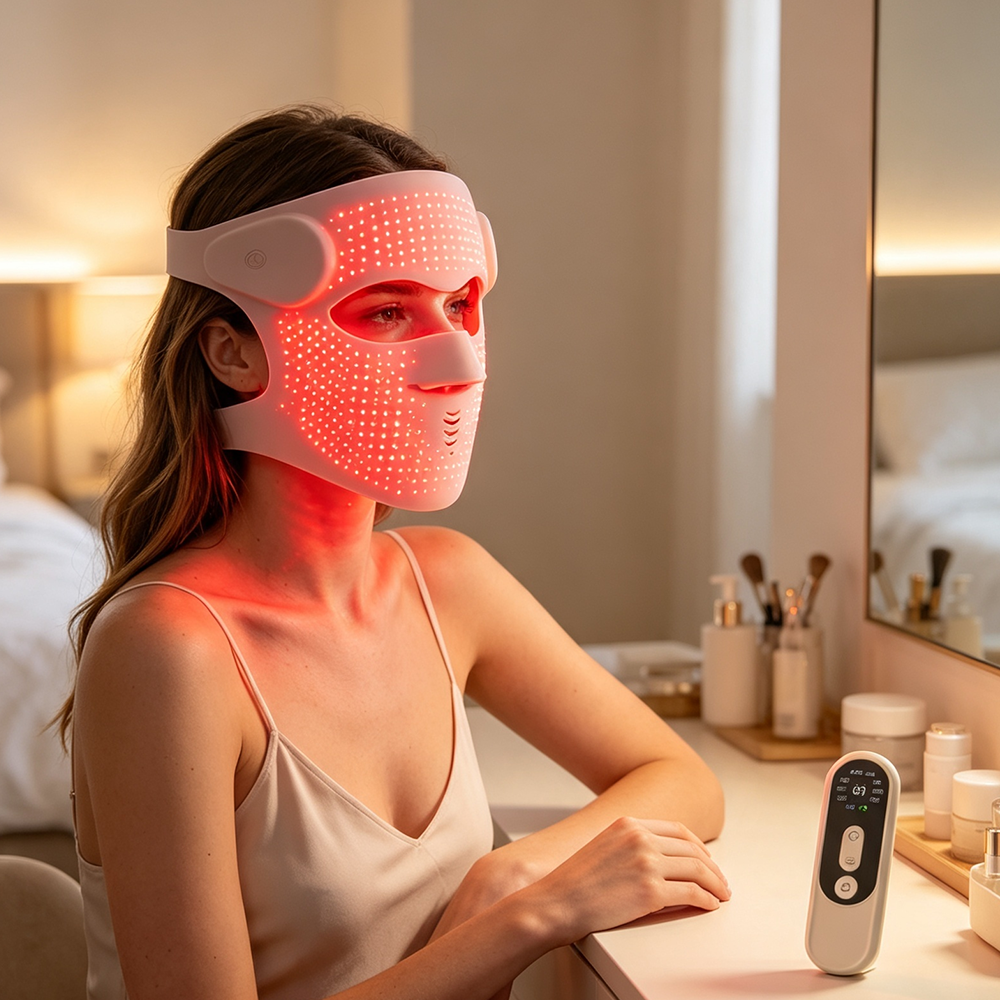
Red light therapy panels deliver four clinically supported benefits: skin rejuvenation (≈30% wrinkle volume reduction in a 2023 RCT[1]), pain relief (meta-analysis of 16 RCTs for neck pain[4]), muscle recovery (46-study review[5]), and hair restoration[6]. Use panels 6–12 inches from the skin, 10–20 minutes per session, several times per week, and choose devices with verified wavelength accuracy, irradiance, and safety certifications.
Table of Contents
- 1. What Is a Red Light Therapy Panel?
- 2. Key Benefits of Red Light Therapy Panels
- 3. Features to Look For
- 4. How to Use Your Panel Effectively
- 5. Safety & Considerations
- 6. Panel vs. Mask: Which One Do You Need?
- 7. Partner With Rainbow Technology for Custom LED Devices
- 8. References & External Links
1. What Is a Red Light Therapy Panel?
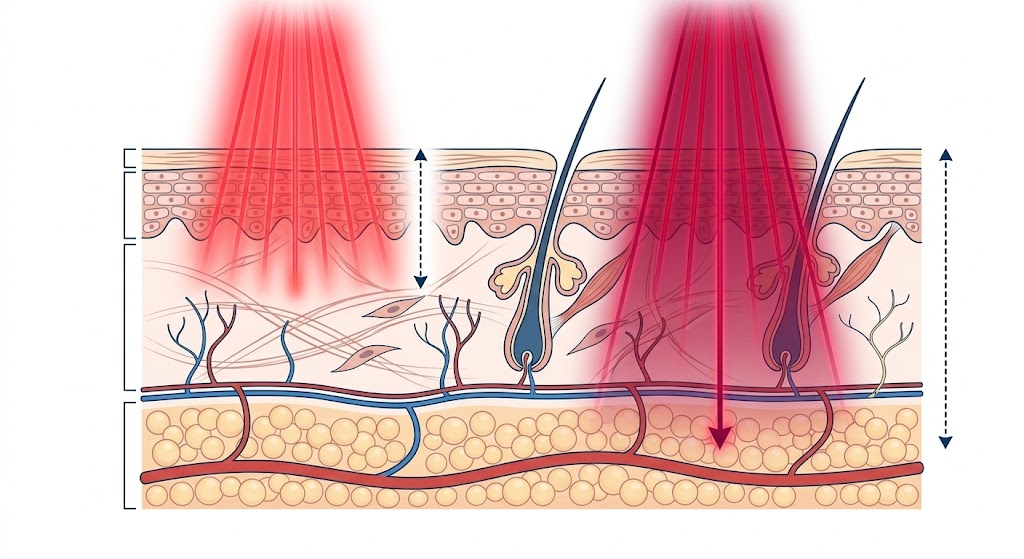
A red light therapy panel is a flat array of high-power LEDs that emits red (around 630–670 nm) and near-infrared (around 810–850 nm) light over a large surface area[3]. Unlike masks — which are contoured for the face — panels are designed for broader coverage: full face, neck, back, joints, or even the whole body, depending on panel size.
These wavelengths trigger photobiomodulation (PBM): photons absorbed by cytochrome c oxidase in mitochondria restore cellular respiration and boost ATP production[2]. The result is a cascade of therapeutic effects — collagen synthesis, reduced inflammation, improved circulation, and accelerated tissue repair[2] — which is why panels serve both aesthetic and recovery purposes.
2. Key Benefits of Red Light Therapy Panels
Panels consolidate the evidence base of photobiomodulation into one device. Here are the four core applications, with the studies behind them:
| Application | Mechanism | Evidence |
|---|---|---|
| Skin Rejuvenation & Anti-Aging | Stimulates collagen and elastin; calms acne and inflammation | ≈30% wrinkle volume reduction after 10 sessions (RCT, n = 137)[1]; Grade B for acne in 31-RCT review[3] |
| Pain Relief | Reduces pro-inflammatory cytokines; modulates nerve signaling; improves microcirculation | Meta-analysis of 16 RCTs: significant neck pain reduction vs. placebo (Lancet)[4] |
| Muscle Recovery | Accelerates ATP-driven repair; reduces delayed-onset muscle soreness (DOMS) and creatine kinase release | 46-study review: consistent recovery benefits before/after exercise[5] |
| Hair Restoration | Stimulates hair follicle stem cells, shifting follicles into the anagen (growth) phase | Controlled trials show increased hair growth in men and women; safe and effective[6] |
| Enhanced Cellular Function | Restores mitochondrial activity, increasing cellular energy and healing capacity | ATP restoration and redox signaling documented in PBM mechanism reviews[2] |
3. Features to Look For
The clinical evidence is clear that PBM works — when the device delivers the right parameters. This is exactly why panels vary so much in real-world results. Compare these five specifications:
| Feature | Why It Matters |
|---|---|
| High-Power LEDs | Determines irradiance (mW/cm²) at the skin — the key to delivering a therapeutic dose within a practical session time[2] |
| Dual Wavelengths | Red (≈660 nm) for skin and surface tissue; near-infrared (≈850 nm) for deeper muscle and joint repair[2] |
| Adjustable Settings | Intensity and session timers allow targeted, repeatable protocols — dosing precision directly affects outcomes[4] |
| Large Coverage Area | Bigger panels treat more surface per session; choose full-body or localized formats based on your goals |
| Safety & Durability | Low heat emission, no UV, and robust build — plus IEC 62471 optical safety, CE / IEC 60601, and ISO 13485 certifications[7] |
4. How to Use Your Panel Effectively
- Position Correctly: Place the panel 6–12 inches from the treatment area — closer for deep tissue, slightly farther for large-area coverage.
- Use on Clean, Bare Skin: Clothing and sunscreen block photons; expose the target area directly.
- Session Length: 10–20 minutes per area, following the manufacturer’s dose guidance — PBM follows a biphasic dose-response curve, and more is not better[2].
- Stay Consistent: Daily or several times per week delivers cumulative benefits — consistency matters more than session length[5].
- Combine Wavelengths: Use red and NIR together for skin plus deep-tissue benefits in one session.
Comparing formats? Read whether red light therapy masks actually work, and see our mask vs. panel buyer’s guide.
5. Safety & Considerations
Panels are generally safe, with no UV output and minimal heat. Clinical evidence across trials reports only mild, transient adverse events[3]. Practical guidance:
- Eye Protection: Wear goggles when treating the face or when panels include NIR output — NIR is invisible and penetrates deeply.
- Consult a Professional: If you are pregnant, have a photosensitive condition, or take photosensitizing medications.
- Respect Dose Limits: Follow the manufacturer’s recommended session time and distance — overexposure reduces benefit[2].
- Check Certifications: Choose panels from manufacturers who verify optical safety (IEC 62471), electrical safety (CE / IEC 60601), and quality systems (ISO 13485)[7].
6. Panel vs. Mask: Which One Do You Need?
| Dimension | Panel | Mask |
|---|---|---|
| Coverage | Face, neck, body — large areas per session | Face (some include neck) |
| Depth of Action | Red + NIR for skin and deep tissue | Primarily skin-level rejuvenation |
| Use Case | Skin + recovery + pain relief + hair | Facial anti-aging and acne |
| Hands-Free | Yes — stand or sit in front | Yes — worn on face |
| Best For | Athletes, full-body wellness, families | Daily facial skincare routine |
Launching a brand? Compare panel vs. mask manufacturing cost and margin before you commit to a product line.
7. Partner With Rainbow Technology for Custom LED Devices
The science only delivers results when the engineering does. Rainbow Technology provides end-to-end ODM/OEM manufacturing from our Shenzhen facility — from optical spectrum design to certified, production-ready devices:
- Full ISO 13485, CE, and FDA medical device compliance documentation[7].
- Custom optical spectrum engineering (630 nm, 660 nm, 810 nm, 830 nm, 850 nm) with precise irradiance control — the parameters that decide whether results match clinical trials.
- Flexible sample testing & small-batch production (500 to 1,000 units) for brand launches.
Looking for high-performance, custom-built LED light therapy devices? Visit our OEM/ODM Manufacturing Page or request your custom quote today.

