
Guide to Red Light Therapy Masks: Benefits, Usage & Results
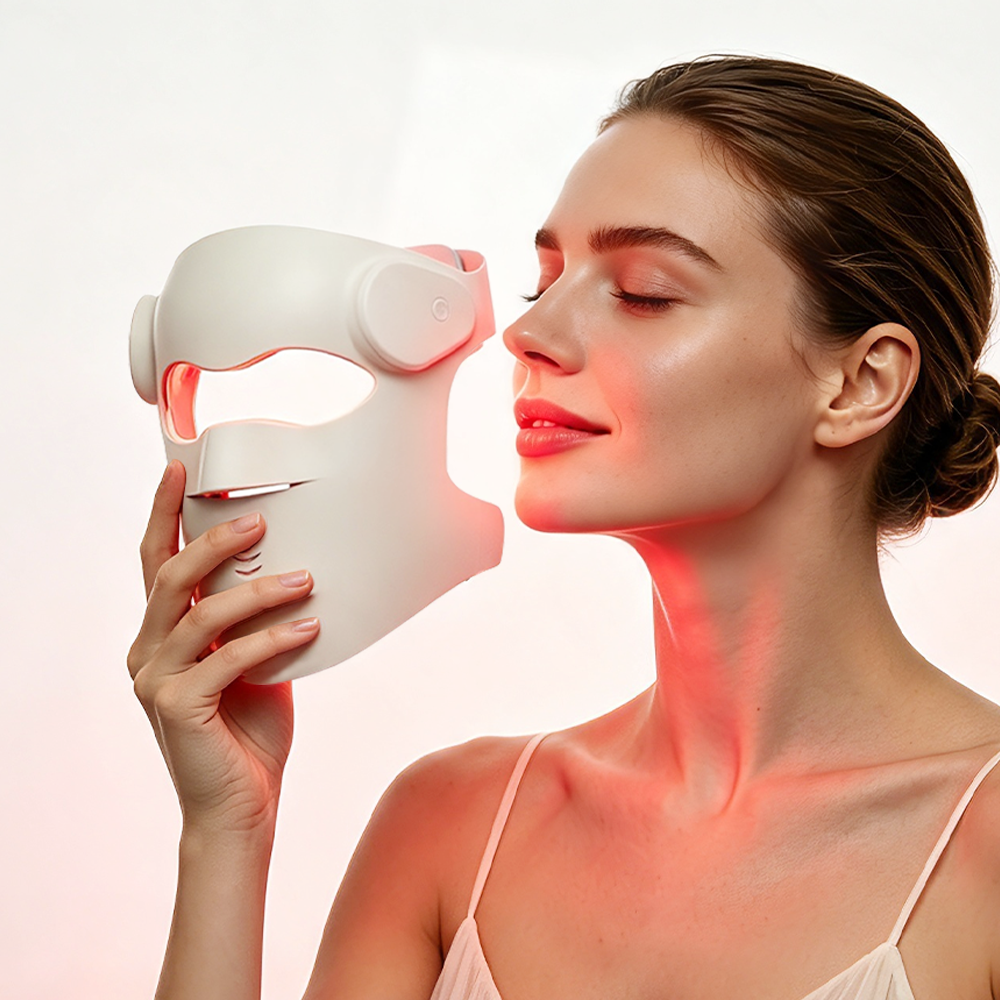
Red light therapy masks are wearable LED devices that deliver clinically supported skin benefits — collagen stimulation, reduced inflammation, and improved tone[2]. Use them 3–5 times per week, 10–20 minutes per session, and expect visible improvements after 4–8 weeks of consistent use[1]. Full-face masks suit busy routines; wands suit precision spot treatment.
Table of Contents
- 1. What Are Red Light Therapy Masks?
- 2. Types of Red Light Therapy Masks
- 3. How to Use a Red Light Therapy Mask
- 4. Benefits at a Glance
- 5. Mask vs. Wand: Which Is Better?
- 6. Safety & Who Should Use Them
- 7. Partner With Rainbow Technology for Custom LED Devices
- 8. References & External Links
1. What Are Red Light Therapy Masks?
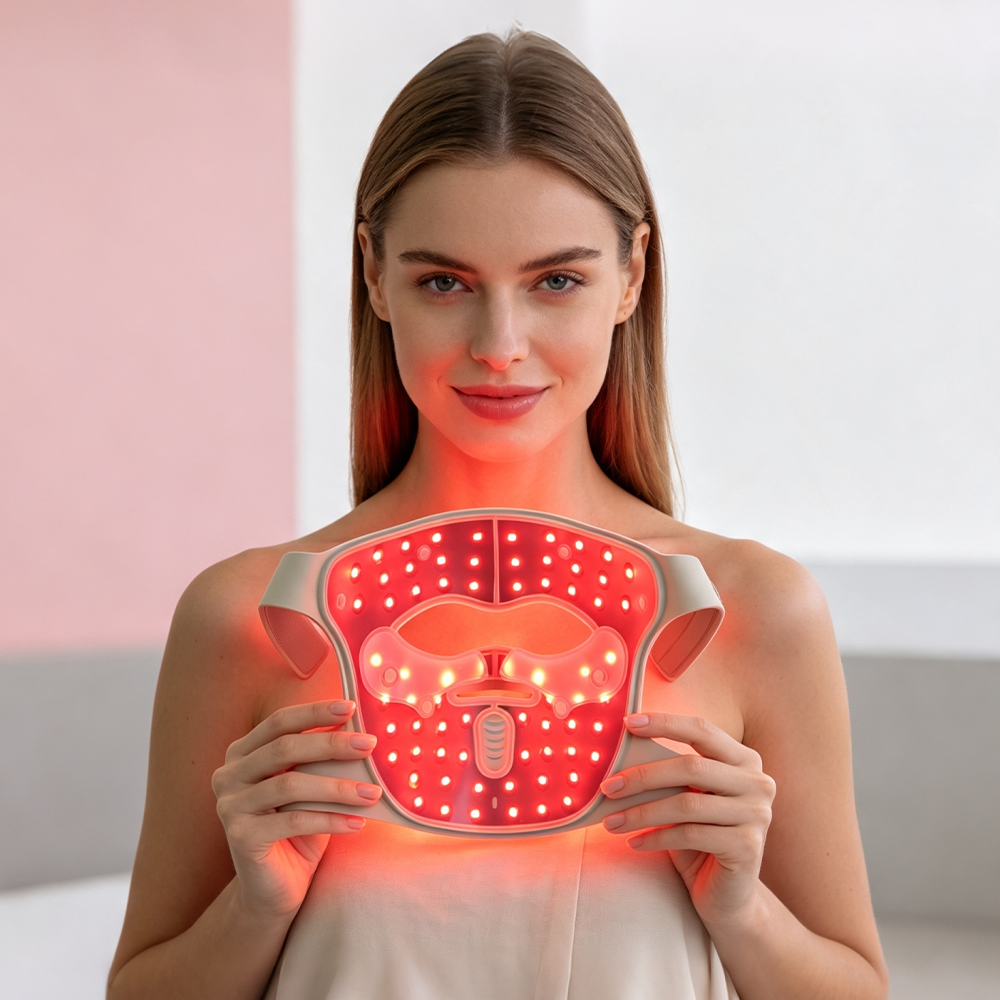
A red light therapy mask is a wearable device embedded with LEDs that emit specific wavelengths of red (600–700 nm) and near-infrared (700–850 nm) light[3]. When worn over the face, the light penetrates the epidermis and dermis to trigger photobiomodulation — a cellular response that boosts mitochondrial ATP production, stimulates collagen and elastin synthesis, and calms inflammation[3].
Unlike clinical laser sessions, modern masks are designed for at-home, hands-free use: lightweight, often cordless, and shaped to fit the face comfortably. This makes them easy to integrate into a daily skincare routine — and easy to stay consistent, which is exactly what the evidence says matters most[1].
2. Types of Red Light Therapy Masks
Not all masks are built the same. Choosing the right format depends on your goals and routine:
| Type | Coverage | Best For |
|---|---|---|
| Full-Face Masks | Entire face, some models extend to the neck; combine red + near-infrared | Comprehensive rejuvenation for busy routines[1] |
| Targeted Area Masks | Small patches for under-eyes, cheeks, or specific spots | Spot treatments: wrinkles, pigmentation, local redness |
| Multi-Wavelength Masks | Full face with switchable red / blue / amber / infrared settings | Combined concerns: acne (blue light), pigmentation, and inflammation[4] |
3. How to Use a Red Light Therapy Mask
A consistent, simple routine delivers the best results:
- Cleanse Your Skin: Start with a clean, dry face — makeup, oils, and sunscreen reflect photons and reduce penetration.
- Apply Serum (Optional): Hydrating or activating serums can enhance results; apply light therapy first, then actives.
- Wear the Mask: Secure it comfortably. Most sessions last 10–20 minutes; follow the manufacturer’s dose[3].
- Relax: Many masks shut off automatically — ideal for reading or meditating during treatment.
- Post-Treatment Care: Follow with moisturizer, and use sunscreen during the day.
- Stay Consistent: Use 3–5 times weekly. Visible improvements typically appear after 4–8 weeks of regular use[1].
Need a step-by-step walkthrough? See our step-by-step red light mask usage guide, plus how often to use your mask for frequency specifics.
4. Benefits at a Glance
The benefits of red light therapy masks are supported by clinical evidence — not just marketing:
| Benefit | Mechanism | Evidence |
|---|---|---|
| Reduces Fine Lines & Wrinkles | Stimulates fibroblast collagen and elastin synthesis | ≈30% wrinkle volume reduction after 10 sessions (RCT, n = 137)[1] |
| Improves Texture & Tone | Enhances cellular repair and oxygenation; evens pigmentation | Photoaging improvement documented in clinical reviews[4] |
| Boosts Healing & Reduces Inflammation | Modulates inflammatory signaling; accelerates tissue repair | Grade B recommendation for healing & acne in 31-RCT review[2] |
| Minimizes Acne | Blue light (415 nm) targets acne-causing bacteria; red light calms inflammation | Blue light acne efficacy documented in LED clinical reviews[4] |
| Safe & Non-Invasive | No UV, minimal heat, no downtime | Only mild, transient adverse events across 31 trials[2] |
5. Mask vs. Wand: Which Is Better?
Both formats work — the right choice depends on your priorities:
| Feature | Red Light Mask | Red Light Wand |
|---|---|---|
| Coverage | Full face (some models include neck) | Targeted areas (spot treatment) |
| Hands-Free | Yes | No (requires manual movement) |
| Session Time | ~10–20 minutes (passive) | 3–5 minutes per area (active) |
| Best For | Overall rejuvenation, busy routines | Precision treatment, travel |
| User Experience | Relaxing, multitasking-friendly | Interactive, precise |
Masks offer effortless, comprehensive coverage; wands excel at targeted treatment. Many users combine both — full-face sessions for overall rejuvenation, wand for stubborn spots. Deciding between a mask and a panel? See our mask vs. panel buyer’s guide and the cost and margin comparison for brands.
6. Safety & Who Should Use Them
Red light therapy masks are generally safe for most skin types, with only mild, transient side effects reported across clinical trials[2]. Key guidance:
- Follow Manufacturer Instructions: Respect session limits — PBM follows a biphasic dose-response curve, and overuse reduces benefits[3].
- Use Eye Protection: Wear included eye shields or goggles when the manufacturer recommends it.
- Consult a Dermatologist: If you have sensitive skin, a photosensitive condition, or take photosensitizing medications.
- Who It’s For: Particularly popular among people aged 30–60 addressing early aging signs and sun damage — but safe for most skin types and tones.
- Check Device Certification: Look for IEC 62471 optical safety, CE / IEC 60601 electrical safety, and ISO 13485 quality systems — the standards responsible manufacturers build to[5].
Before your first session, check what to put on your face before red light therapy — and read whether red light therapy masks actually work in our evidence review.
7. Partner With Rainbow Technology for Custom LED Devices
Whether you are launching a skincare brand or expanding a professional device line, the science only works when the engineering does. Rainbow Technology delivers end-to-end ODM/OEM manufacturing from our Shenzhen facility — from optical spectrum design to certified production:
- Full ISO 13485, CE, and FDA medical device compliance documentation[5].
- Custom optical spectrum engineering (630 nm, 660 nm, 810 nm, 830 nm, 850 nm) with precise irradiance control — the parameters that decide whether results match clinical trials.
- Flexible sample testing & small-batch production (500 to 1,000 units) for brand launches.
Looking for high-performance, custom-built LED light therapy devices? Visit our OEM/ODM Manufacturing Page or request your custom quote today.

